Bernie’s Pretzels
Website Design & Build
Solo UX strategist and designer, end to end
Role
Timeline
2 months
Stakeholder Interviews
Competitive Analysis
Wireframing
Website Building
Methods
Tools
Figma (wireframing)
Adobe Express (photo editing)
Adobe Fonts (typography discovery)
Squarespace (website building)
Competitive Analysis
Wireframes
Website
Deliverables
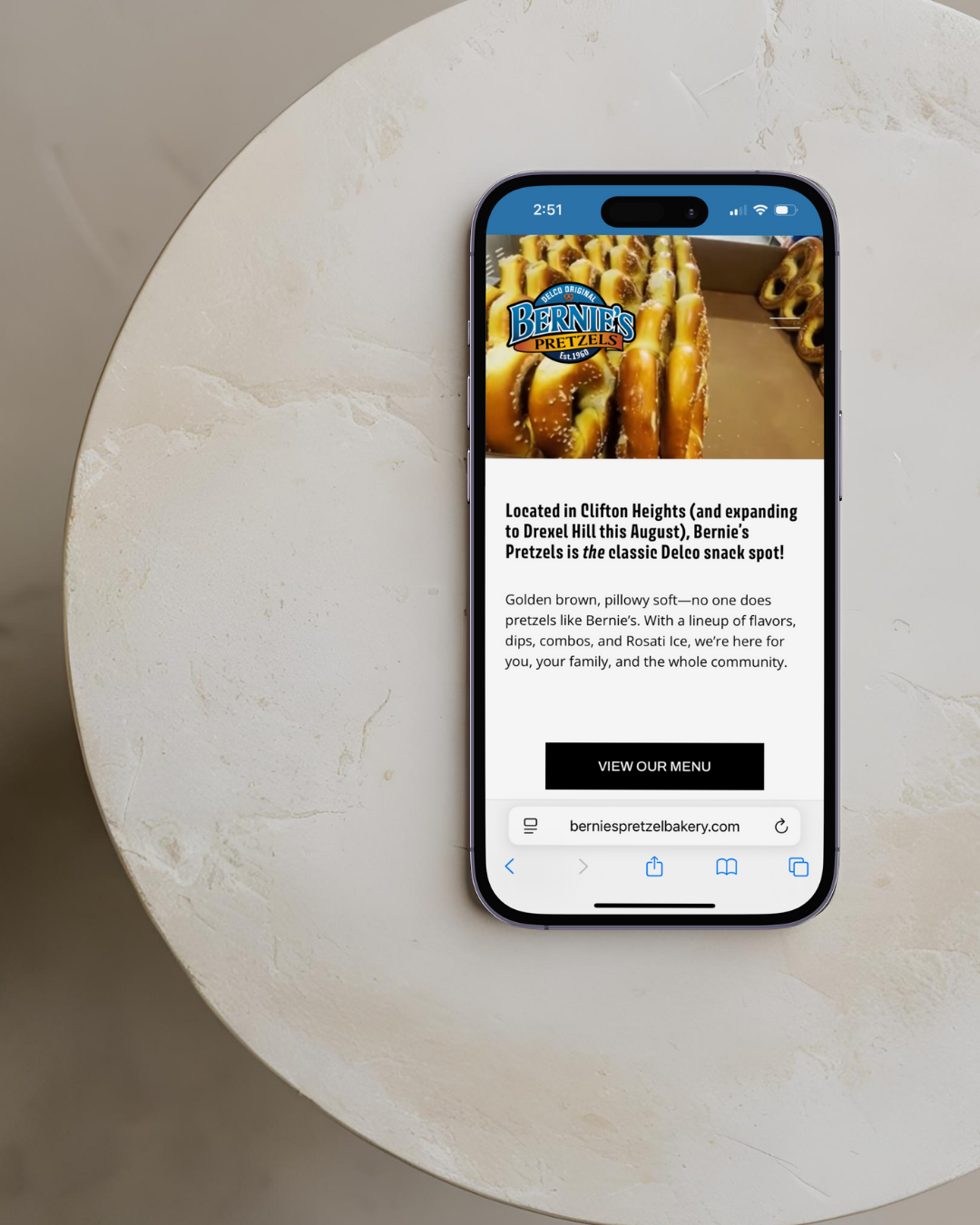
Bernie's Pretzels has been a fixture in Delco for 63 years, and in 2025 it was expanding without ever having had a website. Customers found the business through word of mouth and social media, and staff spent real time on the phone and in the shop answering the same questions again and again: what are your hours, what do pretzels cost, is this flavor in stock today. There was no place to see the full menu, ask a question outside business hours, apply for a job, or learn the story behind a business that had been part of the neighborhood for six decades.
Context
I led the UX design process end to end, from competitive analysis through implementation, developing wireframes, refining brand visuals, and building a flexible Squarespace site that's intuitive, consistent, and easy for the business owner to manage post-launch. That process stayed human-centered throughout, listening first, treating the owner as a genuine stakeholder rather than a sign-off, and checking every choice against what both Bernie's customers and the business itself needed to grow.
Role
I delivered a cohesive website that gives Bernie's its first real digital presence: fully functioning menu and contact pages, a design that reflects the brand at every touchpoint, and a Squarespace build simple enough for the owner to manage without me. The iterative process behind it also left the business with a flexible foundation it can keep building on as it grows.
Results
The Problem
The core problem was simple to state and expensive to live with: Bernie's had no website. That meant customers had no way to check hours, pricing, or what was in stock at that moment without calling or stopping in, and it meant staff answered those same questions on repeat instead of doing other work. It also meant a 63-year-old brand with genuine local history had no place to actually tell that story, and no way to bring its full range of retail and wholesale offerings into one view. There was nowhere to apply for an open position, and no centralized way to reach the business at all outside of social media.
The owner needed something that solved all of that at once: cut down the repeat questions, make the brand's local legacy visible, and give the business room to keep growing.
The Process
I started where a project like this should start: with the owner, not with a screen, to get a true sense of their business. I met to document their concerns, expectations, stakeholders, and how they saw their own brand, then ran a competitive analysis of businesses in the same space to understand what users already expect from a site like this.
An informal heuristic evaluation of competitor sites surfaced recurring pain points and layout patterns worth avoiding or borrowing, and I brought the owner into that process directly, collecting their reactions to what they liked and didn't like on competitor sites so the design direction reflected their judgment as well as mine.
Research & Discovery
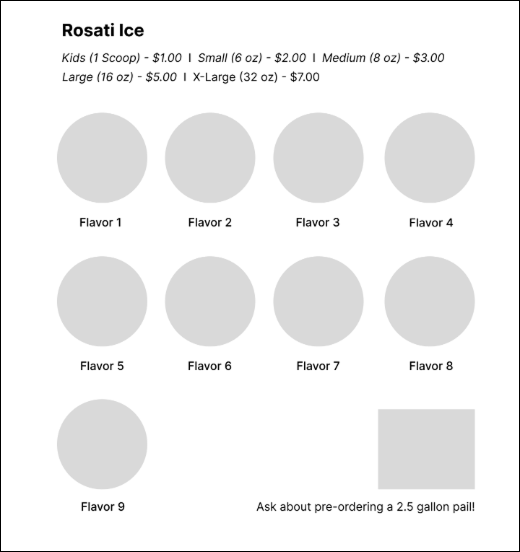
From there I moved into layout exploration, building wireframes in Figma that drew on both the competitive research and the owner's feedback. Each round went back to the owner for a reaction, and I iterated until the structure held up against both user needs and brand goals. Once we had alignment, I translated the approved wireframes into a low-fidelity Squarespace build so we could start testing real layout and structure instead of static mockups.
Wireframing & Strategy
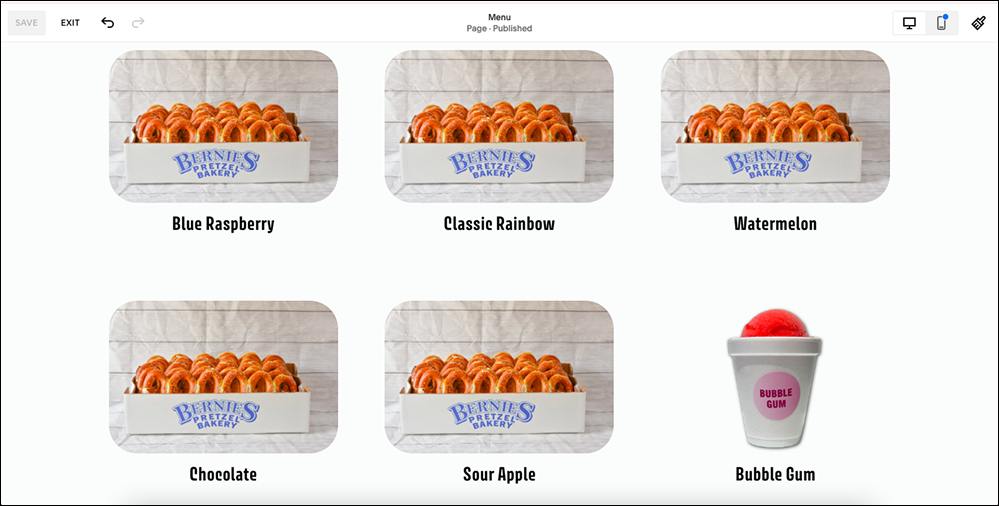
Imagery Integration & Brand Cohesion
When the owner's photography came in, it wasn't ready to drop into a template. Image sizes were inconsistent and backgrounds clashed, which broke the visual flow of the pages I'd designed. Rather than force the photos into a layout that fought them, I presented a few different solutions, some adjusting the layout and some adjusting the imagery itself, until we landed on something that kept the site cohesive. I used Adobe Express to edit and standardize the photos so the final presentation matched the mental model users would already bring to a food business site.
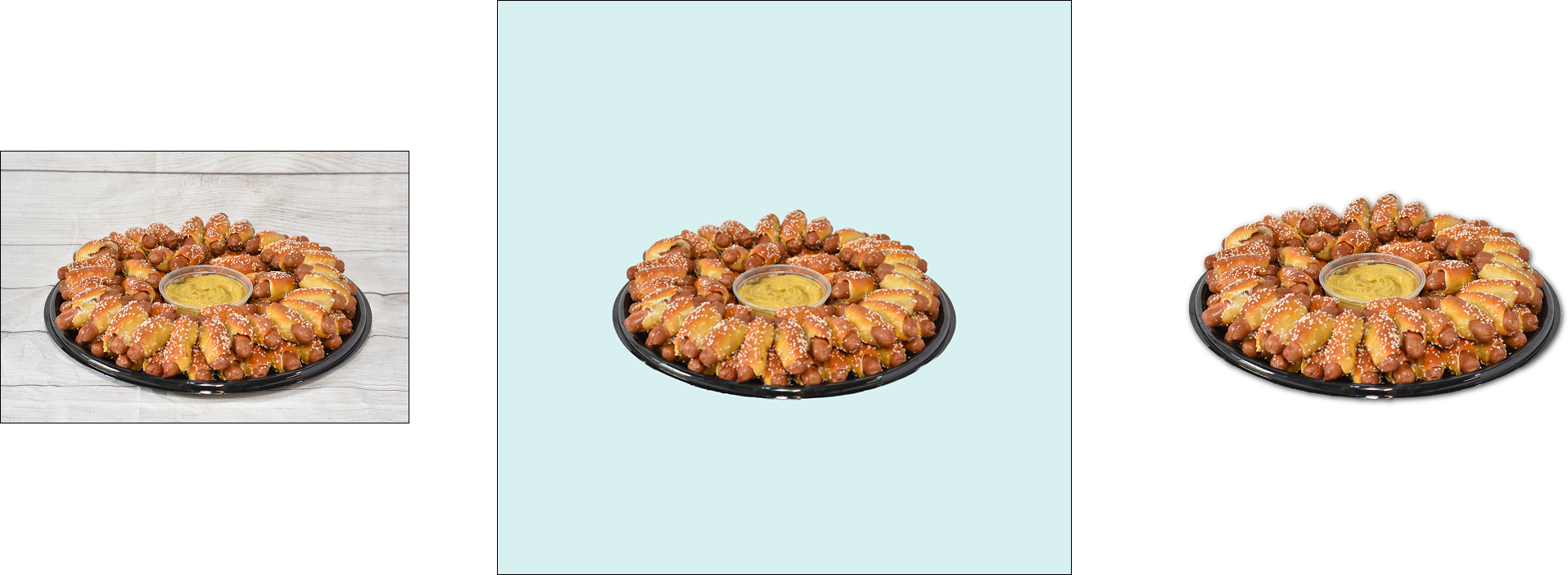
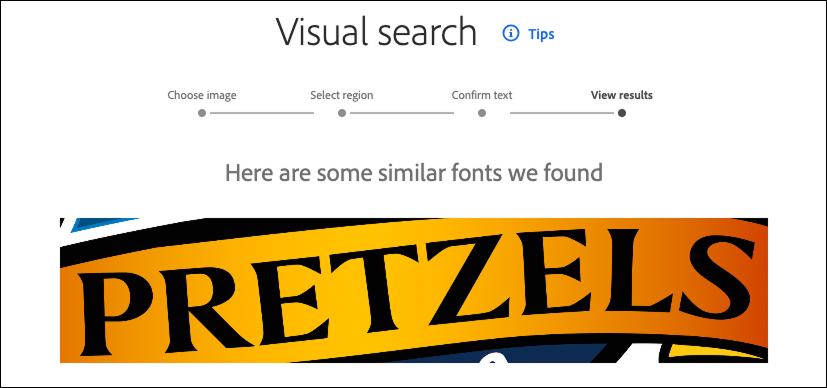
Bernie's also didn't have a formal design system to build from, which meant brand consistency had to be reconstructed rather than pulled from a style guide. I reached out to the original logo designer to confirm the brand's fonts, but that trail went cold, the designer couldn't be located. So I used Adobe Font Finder to identify and match the closest typefaces myself, then embedded them into the site through custom Squarespace CSS. I extracted hex codes directly from the logo to keep the color palette consistent everywhere it appeared, and reused the pretzel icon from the logo across headings and key sections so the brand felt like one system rather than a series of separate decisions.


The site kept evolving as new business needs came up, and I built it to absorb that change without losing its shape. I added new tabs and content areas as they were needed, such as a later requested merch page, and each addition was checked against the site's existing structure and visual balance before it went live.
Because the owner would be the one maintaining the site after launch, I built everything to be easily editable within Squarespace, so future updates wouldn't require coming back to me. I also helped select a custom domain that matched the company's name and existing social media presence, and confirmed it was available before locking it in.
Brand Cohesion & Customization
Bernie's went from no website at all to a brand-aligned site with fully functioning menu and contact pages that address the most pressing B2B and B2C needs. The consistent use of color, typeface, and the pretzel icon, paired with the local Delco pride built into the content, reinforces trust and recognizability at every touchpoint. What the business has now is a centralized information hub that solves the original problem directly, one the owner can run and grow independently after handoff.
Results
Desktop viewLet’s Connect!
Schedule a free 1:1 virtual coffee chat with me to discuss your UX design needs.
